
Professional Asbestos Abatement
Serving Bradenton, Sarasota, Tampa, FL, and Frederick, Maryland, plus surrounding communities.
Seven Six Two Removal helps general contractors and property owners plan commercial and residential asbestos removal before renovation or demolition. Share your asbestos survey or laboratory report so the abatement scope is based on identified materials and work areas.
A clear proposal addresses containment, removal, waste handling, access, scheduling and project coordination. Our veteran-owned team starts with the survey, project location and your renovation or demolition plans. Request an asbestos abatement estimate to discuss the next steps.
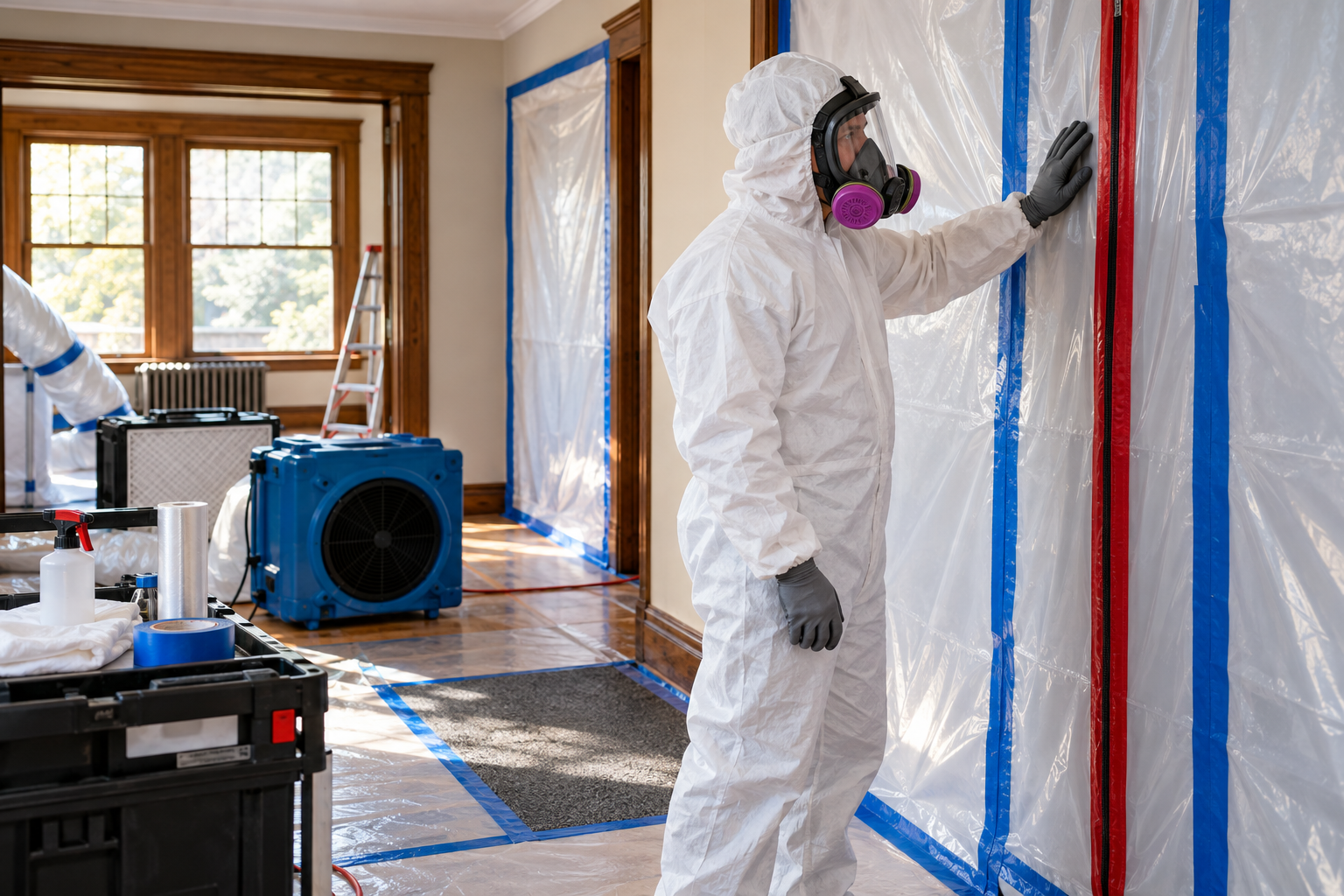
Asbestos abatement for renovation and demolition
Commercial renovation, tenant improvements and residential demolition need an asbestos scope coordinated with the next phase of work. Start with the survey or laboratory report, the identified materials, occupied areas and your project schedule.
Tell us which materials are included, how the work area can be accessed and whether the space will remain occupied. We can define removal limits, containment, waste handling and the coordination needed for a project estimate.
KNOW WHAT MAY BE IN YOUR HOME
ASBESTOS: WHAT TO WATCH FOR.
You cannot confirm asbestos by appearance, age, color, or tile size. These examples identify materials worth assessing, not a diagnosis. Have a trained asbestos inspector arrange sampling and laboratory analysis before disturbing suspect materials.
Why exposure matters
Breathing airborne asbestos fibers can cause lung cancer, mesothelioma, and asbestosis, a serious lung-scarring disease. Illness may take decades to develop. Risk generally rises with the amount and duration of exposure; smoking further increases asbestos-related lung cancer risk. Discuss possible exposure with your healthcare provider.
01 / Flooring & adhesive
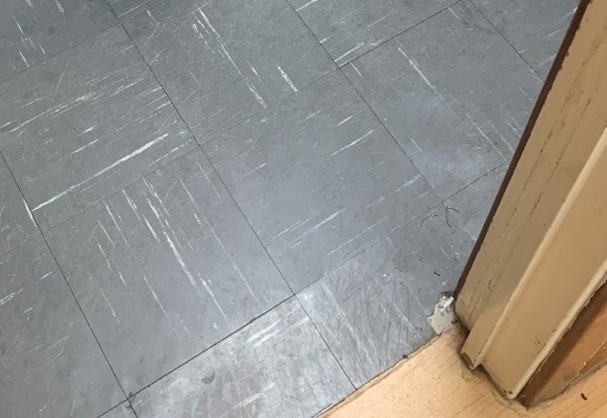
Older vinyl or asphalt floor tiles, sheet-flooring backing, and some adhesives may contain asbestos. Black adhesive or a particular tile size is not proof. Avoid scraping, grinding, or sanding suspect flooring.
02 / Textured ceilings & wall finishes
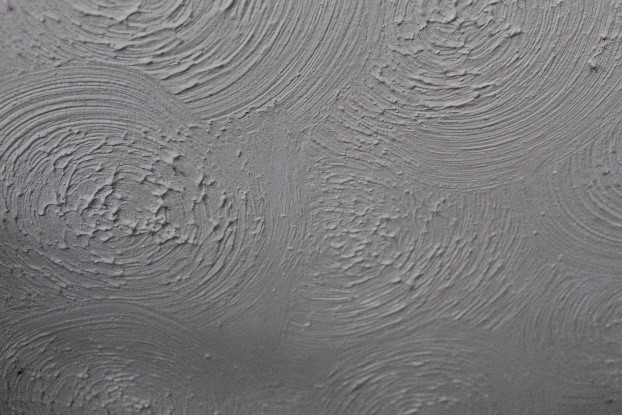
Some textured coatings, patching products, and joint compounds may contain asbestos. A popcorn texture alone cannot identify it. Arrange assessment before ceiling scraping, wall sanding, or renovation.
03 / Pipe & heating insulation

Older hot-water and steam-pipe wraps, boiler insulation, and some furnace materials may contain asbestos. Torn coverings, crumbling insulation, and debris are reasons to limit access and seek professional advice.
04 / Roofing, siding & cement products

Some roofing and siding shingles, cement sheets, and heat-resistant boards contain asbestos. Cutting, drilling, breaking, or abrasive cleaning can disturb the material.
More examples: adhesive & vermiculite
Reference photographs from the U.S. EPA and UK HSE. Do not open, break, or handle materials to compare them with these pictures.


Found something suspicious?
Stop work. Keep children and pets away from damaged material. Do not drill, scrape, sand, sweep, dust, or use a household vacuum on suspect debris. Do not collect a sample yourself. Contact a trained asbestos professional if material is damaged or your project could disturb it.
Undamaged material that will remain untouched can often be left in place. An independent inspector can help determine whether monitoring, enclosure, encapsulation, or removal is appropriate. Do not enter an attic or open walls to look for vermiculite.
Discuss Your ProjectHomeowner education sources: EPA: Learn About Asbestos · EPA: Protect Your Family · EPA: Vermiculite Insulation. Reference photos: U.S. EPA and UK Health and Safety Executive. HSE images © Crown copyright, used under the Open Government Licence v3.0. Material examples do not imply agency endorsement. Educational information does not replace an inspection or medical advice.
Ready to Break Ground Together?
Tell us where the project is, what you need removed or excavated, and when you want to start. We’ll follow up to discuss the scope and next steps.